

Dashboard   >   Resilience and Climate Adaptation
[2022 ARCHIVE] Yellow leaf icon Metro Sustainability

Resilience and Climate Adaptation

Overview

Metro serves as a lifeline to our region, communities and economy. It is crucial that our system is resilient, as Metro's service continuity has the potential to affect several million people. As the climate changes, it will be critical to not only maintain reliable and consistent service, but to also increase passenger comfort and safety.

Projections for climate change, regional population, land use, technology and other factors play a role in how the Metro system is designed, used and operated. Since 2012, Metro has utilized these projections and assessed the resiliency of our systems against anticipated and unpredictable impacts to reduce the potential for service disruptions, and to clearly identify opportunities to strengthen system resilience. In 2019 and 2020, we continued this endeavor by working cross-departmentally to develop an All-Hazards Mitigation Plan, pursuing flexible adaptation pathways and expanding our leadership in advancing regional resilience.

Program Highlights

FTA Awards Metro for Ambitious Climate Goals
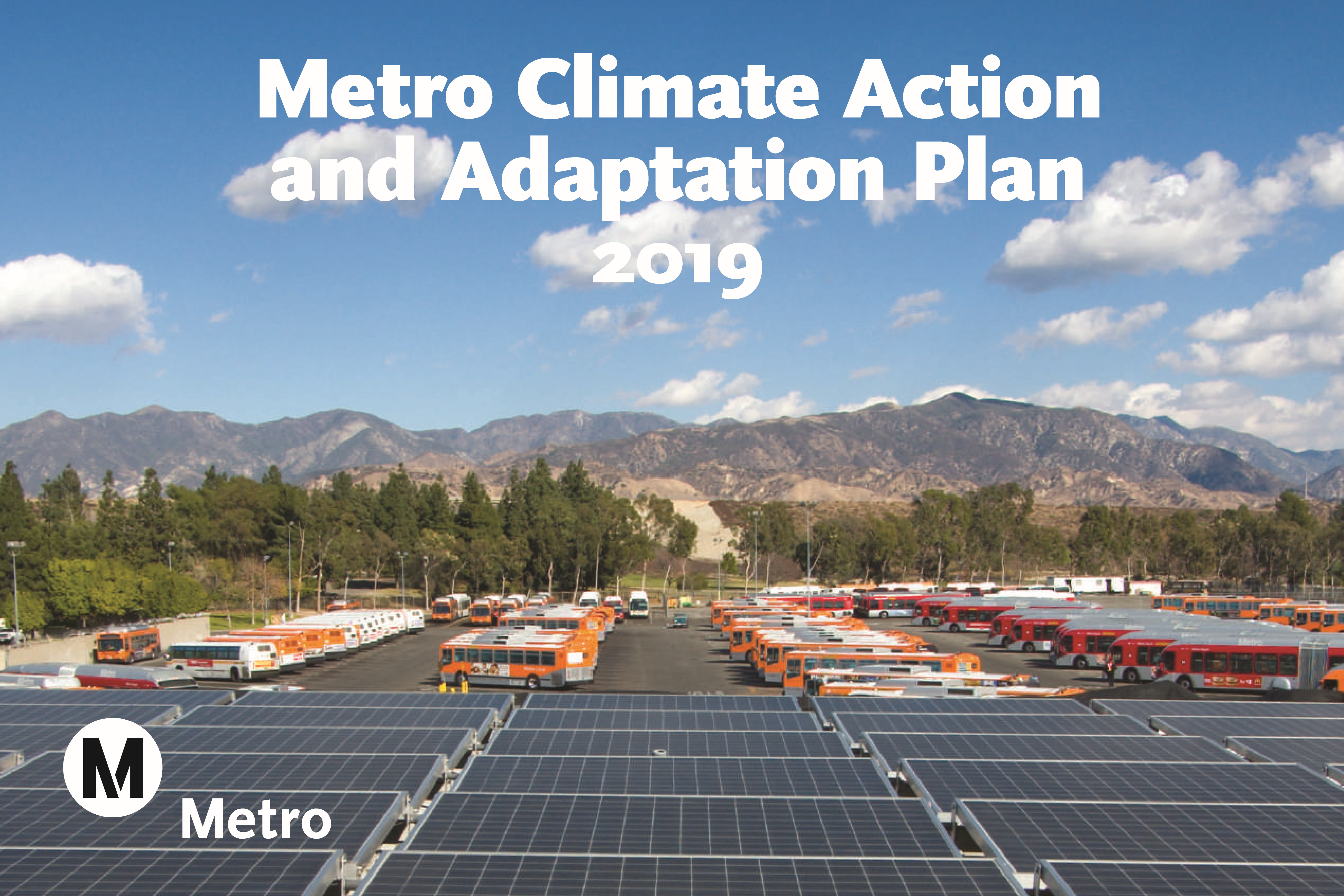
Photo of the cover of Metro 2019 Climate Action and Adaptation Plan The FTA presented Metro with the award for the “Most Ambitious Plan” under its Sustainable Transit for a Healthy Planet Challenge.

On Earth Day 2022, the Federal Transit Administration (FTA) recognized Metro for its ambitious climate goal of reducing greenhouse gas (GHG) emissions 79% relative to 2017 levels by 2030, far exceeding President Biden's goal of a 50% reduction. As a result, the FTA presented Metro with the award for the “Most Ambitious Plan” under its Sustainable Transit for a Healthy Planet Challenge.

Created in June 2021 to help advance President Biden's GHG reduction goals, the FTA's Climate Challenge calls on transit agencies to develop strategies to reduce emissions, such as converting fleets to electric buses, making facilities more energy efficient and generating power through renewable energy sources. Metro's Climate Action Plan does just that, outlining strategies to reduce operational GHG emissions by electrifying its entire bus fleet by 2030 and maximizing the efficiency of its facilities. Metro is also committed to using renewable energy sources, implementing sustainable building practices and increasing ridership through affordable fares and improved service.

The FTA praised Metro for our collaborative approach, including partnerships with utilities and community organizations to support the transition to electric buses and ensure equitable access to clean transportation. Our plan was also noted for its emphasis on workforce development and creating job opportunities in the green economy. By prioritizing partnerships, equity and capacity-building, the agency is fostering a more inclusive and sustainable transportation system that benefits communities, promotes job opportunities and ensures equitable access to clean transportation.
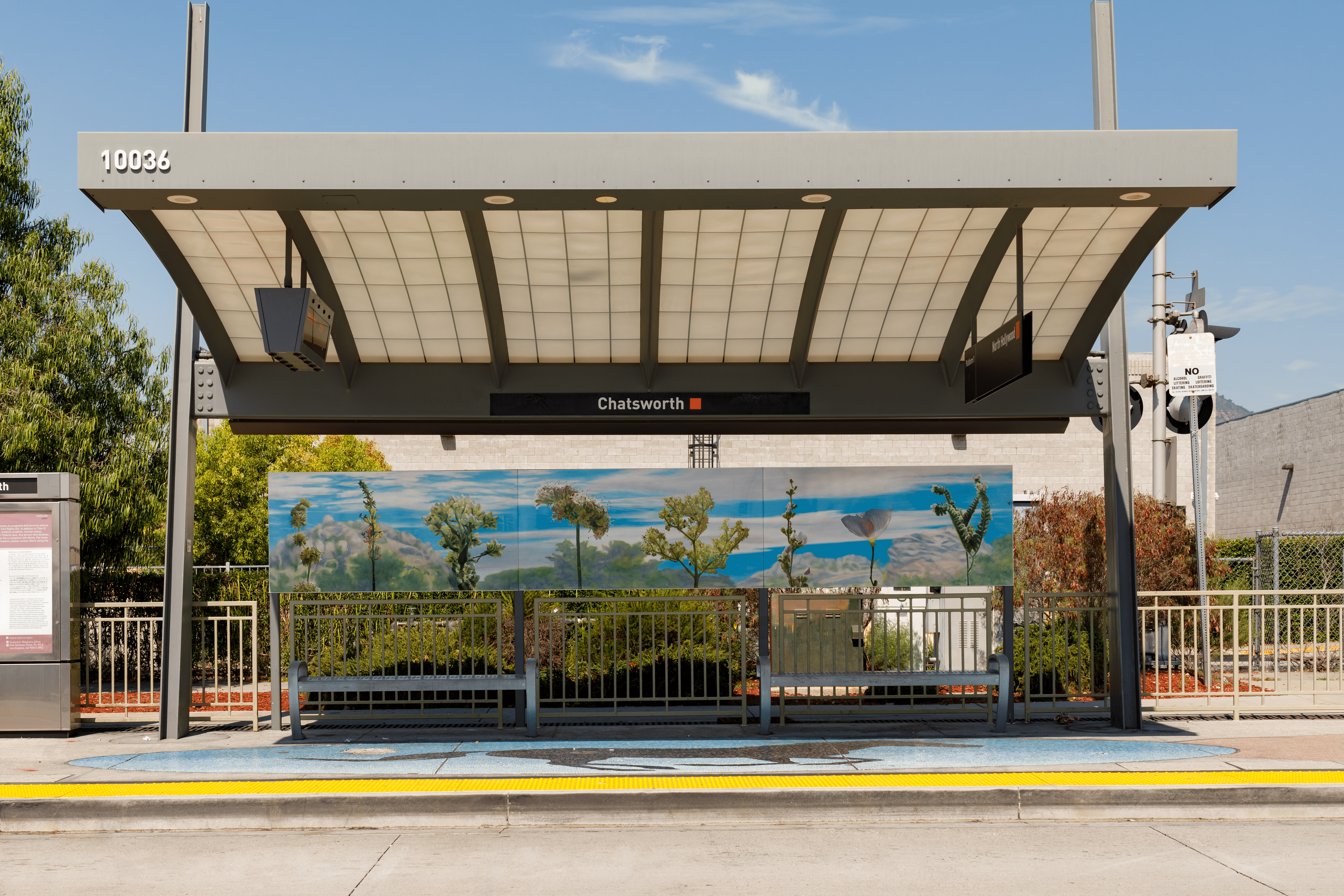

2030 Targets

Understanding this Target

Metro's Flexible Adaptation Pathways approach creates a structure for thoughtful, incremental integration of adaptation strategies into Metro's business units by identifying alternatives and establishing triggers for action. This target measures the effectiveness of this process, which will be supported by a monitoring program that evolves over time as data and information become available. Integrating this approach into Metro's state-of-the-art asset management, project planning processes and maintenance practices will minimize risk to business continuity.

Target Performance

While identifying climate vulnerabilities is an iterative process, we are moving forward with incorporating identified climate adaptation strategies into strategic departments and functions through the flexible adaptation pathways model. A key milestone in this process was the 2022 adoption of Metro's updated All-Hazards Mitigation Plan, which identifies the threats from and vulnerabilities to natural hazards for all Metro assets, as well as ways to reduce and/or mitigate potential natural hazards to Metro's operations. This planning process, led by Emergency Management, engaged multiple departments including Sustainability, Planning, Procurement, Asset Management and Operations to integrate climate adaptation into each department's core function.

As extreme heat continues to negatively affect passenger comfort and safety, this is a priority climate adaptation issue to address. Metro is actively incorporating shade and urban heat island mitigation strategies into existing infrastructure and is coordinating across local jurisdictions to provide resources to aid communities most vulnerable to extreme heat.

Understanding this Target

This target measures our work to develop, prioritize and implement improvements to critical infrastructure in Equity Focused Communities (EFCs) by investing in both physical and social resilience. Ongoing improvements to reduce risks include but are not limited to maintaining an aggressive State of Good Repair program, increasing redundancy of communication systems, installing backup power, coordinating regional multi-agency resilience programs and preparing to provide resources to meet employee and patron needs post-disaster.

Target Performance

Metro's Station Evaluation Program is an important tool for maintaining Metro's stations in a state of good repair and for identifying and prioritizing resiliency improvements. The program inspects all 155 rail and busway stations and bus transit centers on a quarterly basis to ensure they are clean, safe and functional for all patrons. Evaluations consist of 38 station aspects ranging from elevators and lighting, to TAP fare collection equipment and customer signage with scoring across two subcategories of appearance and functionality. This process provides actionable data points for maintenance staff to complete repairs and helps identify recurring issues reported by patrons, allowing staff to seek remedial and preventative solutions.

In 2022-2023, Metro's proactive response to addressing station evaluation issues resulted in a 53% increase in scores for appearance criteria and a 51% increase in scores for functionality criteria. Aesthetic repairs, such as inserting updated maps, removing graffiti from map cases and elevator interiors, and replacing informational decals were completed at multiple sites. Operational repairs focused on the condition of escalators, which improved as a result of reported maintenance orders. Specifically, the B Line corridor station escalators were found to be readily available for patrons at all levels, having the biggest increase in functionality scores of all transit lines with vertical transportation equipment. Recognizing the importance of providing functional, safe and clean transit stations, Metro intends to strengthen this program through continued collaboration with surrounding jurisdictions and agencies.

Overview

Metro serves as a lifeline to our region, communities and economy. It is crucial that our system is resilient, as Metro's service continuity has the potential to affect several million people. As the climate changes, it will be critical to not only maintain reliable and consistent service, but to also increase passenger comfort and safety.

Projections for climate change, regional population, land use, technology and other factors play a role in how the Metro system is designed, used and operated. Since 2012, Metro has utilized these projections and assessed the resiliency of our systems against anticipated and unpredictable impacts to reduce the potential for service disruptions, and to clearly identify opportunities to strengthen system resilience. In 2019 and 2020, we continued this endeavor by working cross-departmentally to develop an All-Hazards Mitigation Plan, pursuing flexible adaptation pathways and expanding our leadership in advancing regional resilience.

Program Highlights

FTA Awards Metro for Ambitious Climate Goals
Photo of the cover of Metro 2019 Climate Action and Adaptation Plan The FTA presented Metro with the award for the “Most Ambitious Plan” under its Sustainable Transit for a Healthy Planet Challenge.

On Earth Day 2022, the Federal Transit Administration (FTA) recognized Metro for its ambitious climate goal of reducing greenhouse gas (GHG) emissions 79% relative to 2017 levels by 2030, far exceeding President Biden's goal of a 50% reduction. As a result, the FTA presented Metro with the award for the “Most Ambitious Plan” under its Sustainable Transit for a Healthy Planet Challenge.

Created in June 2021 to help advance President Biden's GHG reduction goals, the FTA's Climate Challenge calls on transit agencies to develop strategies to reduce emissions, such as converting fleets to electric buses, making facilities more energy efficient and generating power through renewable energy sources. Metro's Climate Action Plan does just that, outlining strategies to reduce operational GHG emissions by electrifying its entire bus fleet by 2030 and maximizing the efficiency of its facilities. Metro is also committed to using renewable energy sources, implementing sustainable building practices and increasing ridership through affordable fares and improved service.

The FTA praised Metro for our collaborative approach, including partnerships with utilities and community organizations to support the transition to electric buses and ensure equitable access to clean transportation. Our plan was also noted for its emphasis on workforce development and creating job opportunities in the green economy. By prioritizing partnerships, equity and capacity-building, the agency is fostering a more inclusive and sustainable transportation system that benefits communities, promotes job opportunities and ensures equitable access to clean transportation.

2030 Targets

Understanding this Target

Metro's Flexible Adaptation Pathways approach creates a structure for thoughtful, incremental integration of adaptation strategies into Metro's business units by identifying alternatives and establishing triggers for action. This target measures the effectiveness of this process, which will be supported by a monitoring program that evolves over time as data and information become available. Integrating this approach into Metro's state-of-the-art asset management, project planning processes and maintenance practices will minimize risk to business continuity.

Target Performance

While identifying climate vulnerabilities is an iterative process, we are moving forward with incorporating identified climate adaptation strategies into strategic departments and functions through the flexible adaptation pathways model. A key milestone in this process was the 2022 adoption of Metro's updated All-Hazards Mitigation Plan, which identifies the threats from and vulnerabilities to natural hazards for all Metro assets, as well as ways to reduce and/or mitigate potential natural hazards to Metro's operations. This planning process, led by Emergency Management, engaged multiple departments including Sustainability, Planning, Procurement, Asset Management and Operations to integrate climate adaptation into each department's core function.

As extreme heat continues to negatively affect passenger comfort and safety, this is a priority climate adaptation issue to address. Metro is actively incorporating shade and urban heat island mitigation strategies into existing infrastructure and is coordinating across local jurisdictions to provide resources to aid communities most vulnerable to extreme heat.

Understanding this Target

This target measures our work to develop, prioritize and implement improvements to critical infrastructure in Equity Focused Communities (EFCs) by investing in both physical and social resilience. Ongoing improvements to reduce risks include but are not limited to maintaining an aggressive State of Good Repair program, increasing redundancy of communication systems, installing backup power, coordinating regional multi-agency resilience programs and preparing to provide resources to meet employee and patron needs post-disaster.

Target Performance

Metro's Station Evaluation Program is an important tool for maintaining Metro's stations in a state of good repair and for identifying and prioritizing resiliency improvements. The program inspects all 155 rail and busway stations and bus transit centers on a quarterly basis to ensure they are clean, safe and functional for all patrons. Evaluations consist of 38 station aspects ranging from elevators and lighting, to TAP fare collection equipment and customer signage with scoring across two subcategories of appearance and functionality. This process provides actionable data points for maintenance staff to complete repairs and helps identify recurring issues reported by patrons, allowing staff to seek remedial and preventative solutions.

In 2022-2023, Metro's proactive response to addressing station evaluation issues resulted in a 53% increase in scores for appearance criteria and a 51% increase in scores for functionality criteria. Aesthetic repairs, such as inserting updated maps, removing graffiti from map cases and elevator interiors, and replacing informational decals were completed at multiple sites. Operational repairs focused on the condition of escalators, which improved as a result of reported maintenance orders. Specifically, the B Line corridor station escalators were found to be readily available for patrons at all levels, having the biggest increase in functionality scores of all transit lines with vertical transportation equipment. Recognizing the importance of providing functional, safe and clean transit stations, Metro intends to strengthen this program through continued collaboration with surrounding jurisdictions and agencies.