


Overview
Metro is actively monitoring water use and finding new ways to increase conservation efforts. As a responsible steward of water resources, Metro continues to develop additional water use reduction strategies focused on technical improvements and behavioral change at Metro, while developing partnerships with key regional stakeholders to build a more resilient Los Angeles (LA) County.
While water conservation and efficiency remain priorities for Metro, water reclamation, reuse and sustainable stormwater management will be equally critical components of Metro's water strategy through 2030. Our targets and commitments related to water reflect the full water cycle, recognizing that the ways in which Metro procures, consumes, processes and disposes of water have regional impacts that can affect both the supply and quality of our regional water resources.
Program Highlights
Using Low Impact Development to Reuse Rainwater
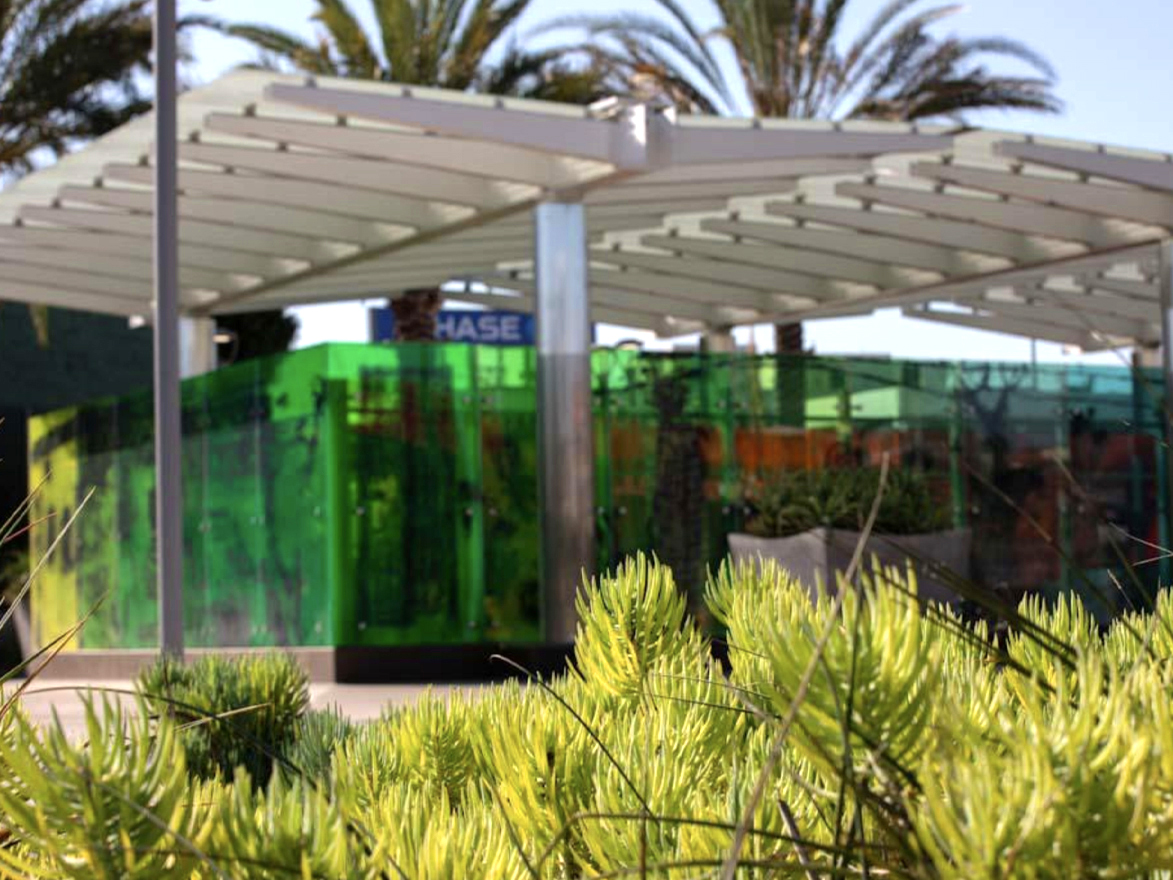 Metro uses Low Impact Development to capture and reuse rainwater runoff.
Metro is incorporating Low Impact Development (LID) strategies across several major transit projects to minimize runoff and reduce impacts on local watersheds. LID is a stormwater management approach that uses design solutions to capture, filter and reuse rainwater. These efforts align with Metro's sustainability goals to promote green infrastructure, improve climate resilience and support healthier communities.
For Crenshaw/LAX Transit Light Rail Project, which serves the communities of Crenshaw, Inglewood and Westchester, Metro incorporated several LID strategies including permeable pavements, bioswales and landscaped infiltration areas. Each of these examples of LID are designed to reduce runoff, improve local water quality and contribute to long-term environmental sustainability in the corridor.
As another example, the Rail to Rail Active Transportation Corridor is a transformative 5.5-mile project that converts an underutilized freight rail corridor into a continuous pathway for walking and biking. The project connects the communities of Inglewood, Hyde Park and South Park, promoting active transportation in historically underserved neighborhoods. In addition to mobility enhancements, the corridor design incorporates LID strategies such as landscaped infiltration zones, permeable paving and shade trees. These features help manage stormwater naturally while enhancing the safety, aesthetics and environmental quality of the surrounding neighborhoods.
These investments reinforce Metro's commitment to green infrastructure and showcases how LID principles can be integrated into high-traffic, complex urban environments.
2030 Targets
Understanding this Target
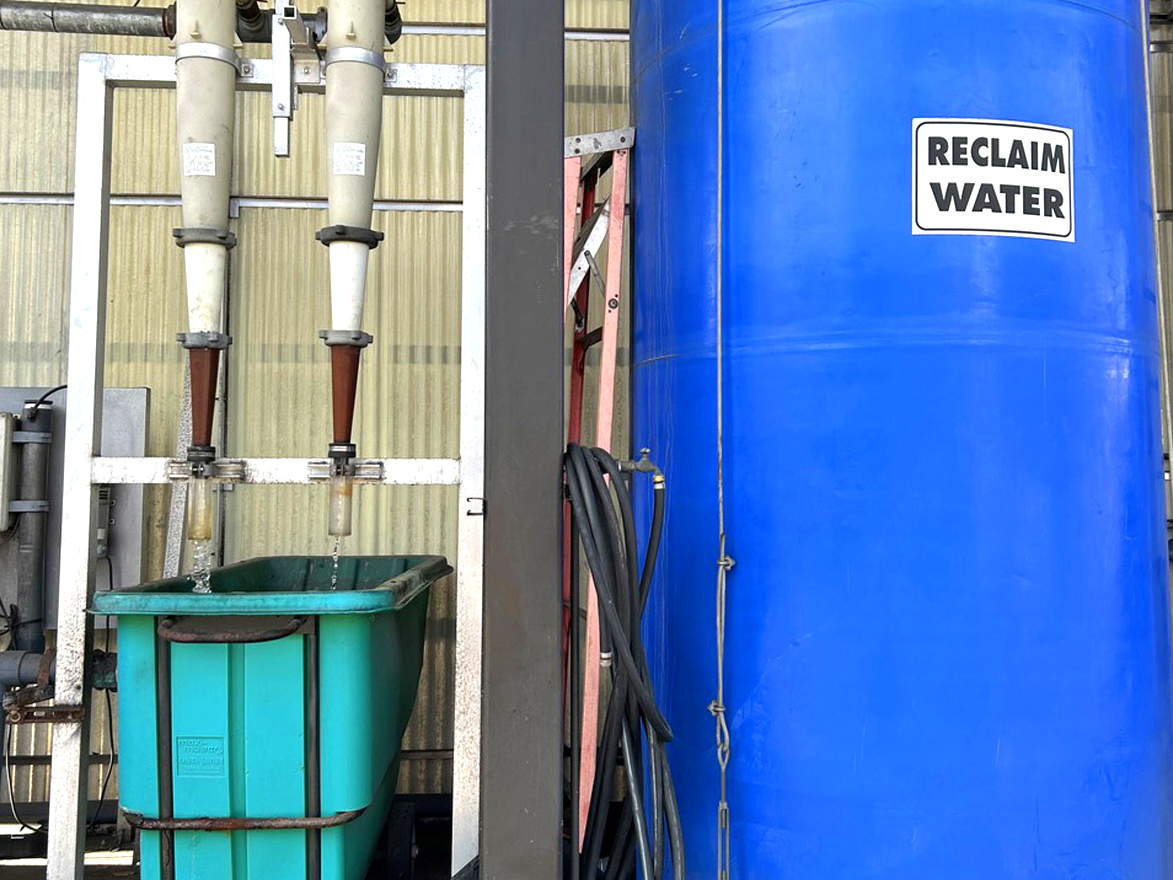
This target measures Metro's contributions to LA's regional water supply and water quality by building infrastructure to capture and infiltrate stormwater runoff. As Metro's system grows in coming years, the agency is actively evaluating opportunities to install bioswales, permeable pavement and other nature-based solutions to reduce stormwater runoff and increase infiltration capacity along rail alignments and highways, and near current and forthcoming facilities. These systems produce long-term water supply benefits by safely infiltrating stormwater into the soil and replenishing groundwater sources and local aquifers. They also provide water quality improvements through filtration features that capture and prevent pollutants from entering land and water ecosystems and harming wildlife. Systemwide, these projects have the potential to make Metro net water positive, meaning that we contribute more water to groundwater recharge efforts than we use to support our operations annually. As a new target, Metro's capacity to capture and infiltrate stormwater is being measured against a 2022 baseline.1
Target Performance
As of 2024, Metro's stormwater infiltration and capture capacity has increased by 56.4% from the baseline, equaling 56.3 acre-feet/year in capacity. This puts Metro above its target capacity, and currently Metro has planned to increase its water infiltration and capture volume to 974 acre-feet/year by 2030. A significant majority of this planned growth is attributed to the Metro G Line Stormwater Quality and Infiltration project. Consequently, Metro is on track to meet and ultimately far exceed this target.